


What if your eyes could guide you directly to the places in your brain and body where healing needs to happen? What if there was a way to support your deeper therapeutic work at home, gently accessing your nervous system's natural capacity to settle and restore?
If you're on a healing journey, perhaps already working with a therapist, you know that sometimes traditional meditation isn't enough. When trauma lives in the body, when anxiety has deep roots, when your nervous system needs more than just "calm thoughts," you need tools that work at the level where healing actually happens.
As a meditation teacher and a licensed therapist with over 20 years of experience, I know that supporting the mind-body-spirit connection is foundational for healing. I created this 10-minute guided Brainspotting meditation as a bridge between the deep work you're doing in therapy and the daily stress of life. This isn't about processing trauma on your own or replacing professional support. This is about giving your nervous system a way to continue integrating, settling, and finding its way back to regulation between sessions.
Whether you're brand new to meditation, feeling curious about Brainspotting, or seasoned at sitting and accessing stillness, this guided practice is for you! The beauty of a guided meditation is that you can hit play and receive support. Someone is literally leading you through it, supporting you in caring for yourself. And who doesn't need that from time to time?
Ready to explore a practice that honors both your daily needs and your deeper healing journey? Let's begin.
What is Brainspotting?
Have you ever noticed how your eyes naturally find a spot to rest when you're deep in thought? Or how you sometimes stare off into space after a therapy session, processing what came up? That's your nervous system doing exactly what it needs to do to integrate and regulate.
Brainspotting is a powerful brain-body therapy that works with this natural phenomenon. Developed by Dr. David Grand in 2003, this approach uses specific eye positions to access what's stored in the subcortical brain, the deep brain structures where trauma, emotions, and body sensations live. It bridges traditional EMDR and somatic therapies, working with your body's innate wisdom to heal.
As Dr. Grand says, "Where you look affects how you feel." Different eye positions correlate with different neural networks in your brain. When you find the right spot, you're literally accessing the parts of your nervous system that hold stress, activation, and sometimes trauma. The beautiful thing is, you already do this intuitively. We're just making it intentional.
What is a Brainspotting Meditation?
A Brainspotting meditation is a self-guided mindfulness practice that uses specific eye positions to access and calm your nervous system. Based on the principles of Brainspotting therapy, it works with the connection between where you look and how you feel, allowing your brain and body to process stress and find their way back to balance, gently and naturally.
Here's what makes Brainspotting different from traditional meditation: you're not trying to empty your mind or force relaxation. Instead, you're working directly with your nervous system through focused mindfulness. You're not avoiding what's there. You're gently being with it, and allowing your brain to access its self-healing capacity.
Self-Spotting vs. Therapist-Guided Brainspotting
Self-spotting at home is not the same thing as Brainspotting Therapy. Let's be clear about what each offers:
Self-spotting (what we're practicing today) is for:
Daily stress decompression
Supporting your nervous system between therapy sessions
Gentle regulation when you feel activated
Creating space for integration after deeper work
Building your capacity for self-regulation
Clinical Brainspotting with a therapist is for:
Processing trauma safely with professional support
Working through complex emotional patterns
Healing attachment wounds
Addressing symptoms that interfere with daily life
Going deep with someone who can hold space for whatever arises
Think of it as the difference between surgery and daily wound care. Both matter, but they serve different purposes. Many of our clients at The Holistic Counseling Center use this meditation as homework between sessions. It's not about doing the deep work alone; it's about supporting your system as it integrates what you're processing in therapy.
How to Practice This Brainspotting Meditation
When Your Nervous System Needs This Most
The beauty of this meditation is that you can practice it anywhere, anytime you have a few minutes. But there are certain times when your nervous system is particularly receptive:
Morning Transition: Before diving into emails and tasks, give yourself 5 minutes to set the tone for your day.
Lunch Break Reset: Instead of scrolling while you eat, try a quick self-spotting session to actually decompress.
After Work Decompression: Even 5 minutes in your car before going inside can help you transition from work-mode to home-mode.
After Therapy Sessions: Give your nervous system space to integrate what came up in session.
Evening Wind-Down: As part of your bedtime routine, helping your nervous system prepare for sleep.
Whenever You Feel "Full": That moment when you realize you're overwhelmed, overstimulated, or just done? That's your nervous system asking for a reset.
“When your eyes find the spot, there’s a small catch in the breath. It’s the body showing you where the yes is, where the invitation is to go deeper. The place that says, I need your attention. I need your care. Come closer.”
Before You Begin
Find a quiet space where you won't be interrupted. Have headphones ready for the bilateral music, this is an important part of the practice.
Take a moment to check in with yourself. How's your nervous system right now? Activated? Exhausted? Somewhere in between?
Set your intention: This practice is for gentle regulation and stress relief. If you're working through trauma in therapy, this can support that work, but it's not for processing trauma on your own. Think of it as creating the conditions for your nervous system to continue the healing it's already doing.
If intense emotions or memories surface during practice, that's important information to bring to your next therapy session. Write down what comes up in your notes app or a journal.
A Note About Finding a Brain ‘Spot’
A brainspot is simply a point in your visual field that connects to where an experience lives in your body.
How do you know when you've actually found one? When your eyes find a spot: there's a small catch in the breath, and a pause in the body. It's your deeper wisdom showing you where the yes is, where the invitation is to go deeper. The place that says, I need your attention. I need your care. Come closer.
What to Expect During a Brainspotting Meditation
During self-spotting meditation, everyone's experience is different because every nervous system processes uniquely. You might notice:
Your eyes naturally finding "the spot" and wanting to stay there
Waves of sensation moving through your body (heat, cold, tingling)
Emotions gently surfacing and releasing
Your body wanting to move, stretch, yawn, or shake
Memories or thoughts floating through without attachment
A deep sense of calm or groundedness
Sometimes, not much at all, just a gentle pause
Whatever arises is your nervous system doing exactly what it needs to do. You don't need to understand it, analyze it, or make it make sense. In fact, the less your thinking brain gets involved, the more your nervous system can do its work.
After Your Practice
The processing continues even after the meditation ends. Your brain will keep working with what came up, integrating and settling over the next 24-48 hours. You might notice:
Feeling more grounded or centered
Having insights or clarity about things you've been working on
Sleeping differently (often more deeply)
Emotions moving through more easily
Your body feeling different, perhaps lighter or more settled
Consider keeping a simple journal of what you notice. This can be valuable to share with your therapist if you're in treatment, or simply for your own awareness of how your nervous system is shifting over time.
Your 10-Minute Guided Brainspotting Practice
This guided practice includes bilateral music, sound that gently alternates between your ears to engage both hemispheres of your brain, similar to what happens during REM sleep when your brain naturally processes the day's experiences. Whether you're decompressing from a stressful day or supporting deeper therapeutic work, this meditation offers your nervous system a gentle, effective way to find its way back to balance.
Download it to have on hand for those moments when you need support between therapy sessions, after difficult days, or whenever your nervous system is asking for a reset. You are also invited to watch it below and save it on youtube for easy reference.
A Note About Healing
Healing happens in layers, in the gentle rhythm between reaching out for support and going within for integration. Between the deep dive of therapy and the surface waves of daily life. Between processing and resting, releasing and restoring.
This Brainspotting meditation is one way to honor that rhythm. It's a tool for those in-between spaces, for the days when you need to decompress from stress, for the moments after therapy when your system is still processing, for the times when you need to resource yourself before going deeper.
Your body already knows how to heal. Your nervous system has an innate wisdom that's always moving toward balance. Sometimes it just needs the right conditions: safety, support, and practices that work at the level where healing actually happens.
Whether you use this practice daily, weekly, or whenever your nervous system calls for it, trust that you're supporting your healing in a profound way. You're not just managing symptoms or coping with stress. You're creating the conditions for real transformation, one mindful moment, one gentle gaze, one nervous system reset at a time.
Remember: this isn't about perfection. Some days this practice will feel like exactly what you needed. Other days it might feel hard to settle in. Both experiences are valid. Both are your nervous system communicating with you. Both are part of the journey.
Keep showing up for yourself, in whatever way feels right today.
Brainspotting at The Holistic Counseling Center
At The Holistic Counseling Center, we've seen the healing that happens when we work directly with the nervous system. Our therapists are trained in Brainspotting and integrate it with other somatic therapies and holistic approaches to address not just symptoms, but root causes.
“Your body already knows how to heal. Your nervous system has an innate wisdom that’s always moving toward balance. Sometimes it just needs the right conditions: safety, support, and practices that work at the level where healing actually happens.”
We use Brainspotting for:
Complex trauma that hasn't responded to traditional talk therapy
Anxiety that lives in the body as much as the mind
Depression with somatic components
Attachment wounds that affect relationships
Creative blocks and performance anxiety
Chronic pain with emotional components
What makes our approach unique is how we weave Brainspotting with Internal Family Systems, somatic therapy, and mindfulness practices. We're not just helping you cope with symptoms. We're supporting your nervous system in actually healing.
Many clients find that combining Brainspotting sessions with self-spotting practice at home accelerates their healing. The deep work happens in session with professional support, and this meditation helps your nervous system continue integrating between appointments.
When to Seek Brainspotting Therapy
Self-spotting is a beautiful tool for daily regulation and integration, but it's important to recognize when you might need more support.
Consider working with a trained Brainspotting therapist if:
You're experiencing symptoms that interfere with daily life
Trauma memories are surfacing that feel overwhelming
Your anxiety or depression isn't responding to self-help approaches
You notice patterns you can't shift on your own
This meditation brings up material that feels too big to hold alone
You're ready to do deeper healing work with professional support
Of course, some things aren't meant to be held alone. Reaching out for support is one of the most compassionate things you can do for yourself.
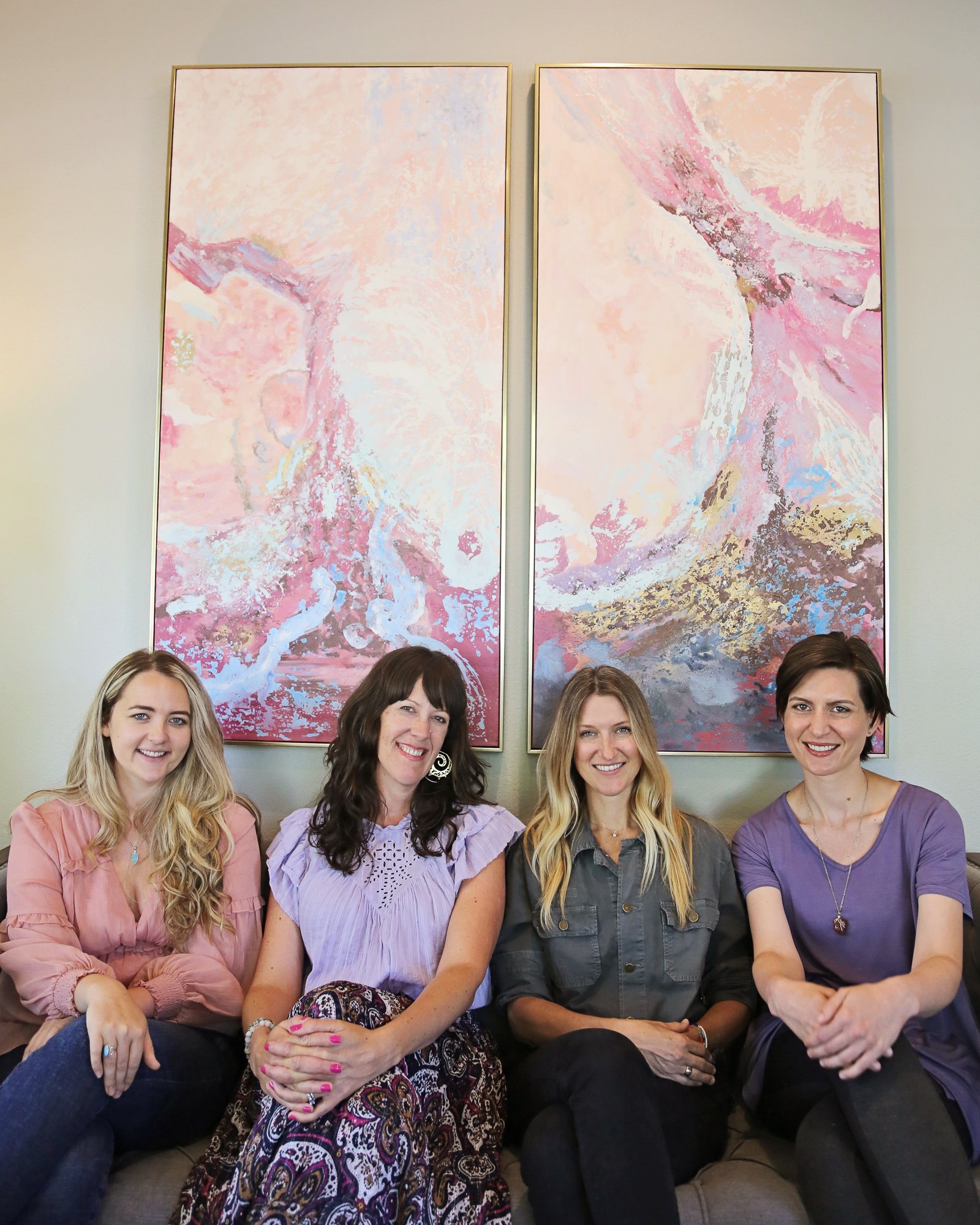
Ready to Deepen Your Healing Journey?
If you're sensing there's deeper work ready to be done, or if you're already in therapy and want to add Brainspotting to your healing toolkit, we're here for you.
Our trauma-informed therapists understand the delicate balance between daily self-care and deeper therapeutic work. We can help you navigate both, using clinical Brainspotting to safely process what needs healing while teaching you practices like this meditation for ongoing support.
Taking the first step is simple:
Schedule a Free Consultation Call— We'll learn about what's bringing you to therapy and answer your questions.
Get Matched With a Therapist — We'll connect you with a clinician who feels like a great fit for you. You can also speak directly with your recommended therapist before having a session.
Begin Your Journey — Start working toward the clarity, peace, and fulfillment you're seeking.
Book a free consultation call to explore how Brainspotting therapy could support your path from surviving to thriving.
We currently offer in-person therapy in San Francisco, San Anselmo (Marin County), El Dorado Hills, and online throughout California.
Meditation Transcript
For those who prefer to read along or practice without audio, here's the complete transcript of the 10-minute guided Brainspotting meditation:
Hello, hello. Here is a guided practice for practicing brain spotting at home. Go ahead and find a comfortable position to rest in for the next four or five minutes. Maybe it's lying down. Maybe it's in a cozy, comfy chair with some pillows behind you. Maybe it's a seated meditation position. Just taking a moment to settle, feeling yourself being supported by whatever is underneath your body, if it feels available for you, putting a hand on the heart and taking a deep breath in.
Exhaling.
Taking another breath or two in this space. Inhaling and exhaling.
And now I wanna invite you to glance around the room. If you're lying down, maybe you're just glancing around the ceiling, if you're seated, just noticing what it looks like as you gaze to your left. Gaze to the right of the room. Maybe you're noticing what's in the room. See if you can have a soft gaze, soft eyes as you look around
and start to check in or notice if there's a particular place where your eyes want to rest. As they're roaming the room, try not to think too hard or second guess yourself. Maybe it just feels like your eyes catch when they're looking, or perhaps they soften and you feel like, huh, I could rest here. It's taking another breath or two.
And if you're not entirely sure, that's okay too. Wherever your eyes are gazing, wherever you decide to rest, just know that it's lighting up and connecting to a particular part of your brain and just hold some space for being with what is today. There's not a right way or a wrong way to do this practice.
And hopefully you found a space, a place to rest your eyes and just settling in there
if stillness arrives. Embracing that.
You also might find you wanna move your body around a little bit, moving your hips or your spine in slow circles. Giving your body a little shake,
allowing whatever is feeling alive in you or moving through you some space to be,
and then eventually being curious about how you can find some stillness, stillness in your body, stillness, and focus with your eyes
and in this space, there's not much to do, but just be here.
Our eyes are focused. You're present in this moment for this practice with yourself.
The invitation is to stay in this space. As long as it feels good, or for as long as you have today. The music will continue playing and will guide you out of this practice so it can be open-ended. You can stay in this space and just know that it's available for you as long as you want to be here.
And when you feel your time is complete. You can take a deep breath and blink your eyes and recalibrate and come back into the space here. For now. Be here. Gazing focused. And open.

About the Author
Kim Burris, LMFT is a licensed holistic psychotherapist, founder of The Holistic Counseling Center, Adjunct professor at CIIS and author of ‘The First 90 Days After Birth.’
Her work has been featured in Vogue, Bustle, and the Daily Om.
Kim honors the mind-body-spirit connection and offers evidence-based psychotherapy with a heart-centered approach that helps people find relief from anxiety and self-sabotage so they can live life with more joy, freedom, and ease.
Kim and her team are trained in Brainspotting, somatic therapies, and trauma-informed care. They currently offer holistic counseling and therapy in San Francisco, San Anselmo, El Dorado Hills, and online.
Book a free consultation call to get started.
Disclaimer: This content is for informational purposes only and is not intended to be a substitute for professional medical advice, diagnosis, or treatment. Always seek the advice of your physician or qualified mental health professional.

Recent Blog Posts:


Anxiety isn't all in your head. A licensed holistic therapist on healing anxiety at the root: your nervous system, what helps, and what therapy can do.